

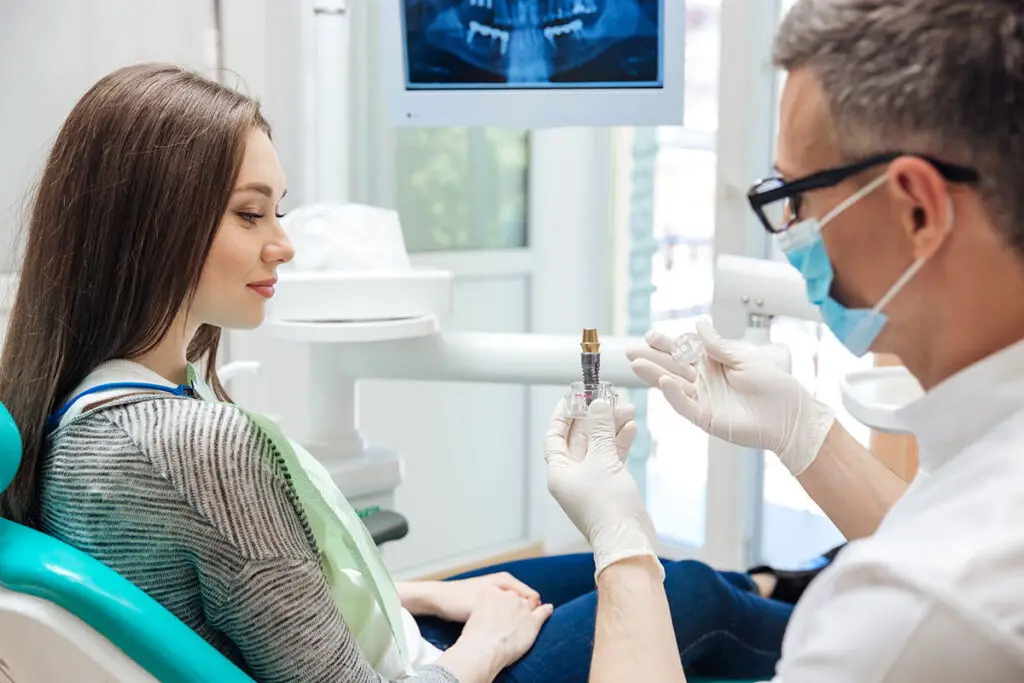
Missing a tooth can affect more than the way your smile looks. It can change how you chew, how neighboring teeth function, and how comfortable you feel during everyday activities. Dental implants are one option for replacing missing teeth, but many patients first want to know one thing: am I actually a good candidate?
The answer depends on your oral health, medical history, jawbone, treatment goals, and several other factors. At Borges Brothers Dental, patients considering dental implants in St. Augustine receive an individualized evaluation before treatment recommendations are made.
What Is a Dental Implant?
A dental implant is a small post placed in the jawbone to replace the root portion of a missing tooth. After the implant has integrated with the surrounding bone, it can support a dental restoration such as a crown.
Depending on a patient’s needs, implant treatment can replace one missing tooth or contribute to a larger tooth replacement plan. Because the implant is supported by the jaw rather than resting only on the gums, it can provide a stable foundation for the final restoration.
However, successful implant treatment depends on careful planning. That is why candidacy is determined through a comprehensive dental evaluation rather than a single checklist.
Who May Be a Candidate for Dental Implants?
Many adults who are missing one or more teeth may be considered for dental implants. In general, candidates need healthy enough oral tissues to support treatment, adequate bone in the planned implant area, and the ability to maintain good oral hygiene.
In addition, your dentist will review your medical history, medications, previous dental treatment, and lifestyle factors. These details can influence healing and help determine whether implant treatment is appropriate.
Importantly, being told that you do not have ideal conditions at your first evaluation does not always mean implants are permanently off the table. In some cases, another procedure or a period of disease control may be recommended before implant placement.
Does My Jawbone Matter?
Yes. Dental implants rely on the jawbone for support. Therefore, the quantity and quality of bone in the planned treatment area are important parts of the evaluation.
After a tooth is lost, the surrounding bone can gradually change because it no longer receives the same stimulation from a natural tooth root. Consequently, patients who have been missing teeth for a long time may have less bone available than someone who recently lost a tooth.
Your dentist can use appropriate imaging to evaluate the area and determine whether sufficient bone is present. If more support is needed, additional treatment may be discussed as part of your personalized plan.
Do Healthy Gums Matter for Dental Implants?
Healthy gum tissue is also an important part of implant treatment. Active gum disease can affect the structures surrounding natural teeth and may create an unhealthy environment for an implant.
Therefore, existing gum inflammation or periodontal disease may need to be addressed before implant treatment begins. This approach helps establish a healthier foundation for the procedure and makes long-term maintenance more predictable.
Regular professional care remains important after an implant is restored. Although an implant cannot develop a cavity, the tissues around it still require consistent brushing, interdental cleaning, and professional monitoring.
Can Smokers Get Dental Implants?
Smoking does not automatically answer the candidacy question by itself, but it is an important factor to discuss with your dentist. Tobacco use can interfere with oral healing and may increase the risk of complications around teeth and implants.
If you smoke or use nicotine products, be open about it during your consultation. Your dentist can explain how your individual habits may affect treatment planning and healing.
Rather than withholding information because you are worried about being judged, remember that accurate health information helps the dental team design safer and more appropriate care.
What Medical Conditions Affect Dental Implant Candidacy?
Your overall health matters because implant placement involves healing of the gum tissue and jawbone. Certain medical conditions, medications, or treatments can influence the body’s ability to heal.
That does not mean everyone with a chronic health condition is excluded from dental implants. Instead, candidacy is individualized. Your dentist may ask about conditions affecting bone metabolism, immune function, blood sugar regulation, bleeding, or previous medical procedures.
In some situations, coordination with another healthcare professional may be appropriate before proceeding. The goal is to make a treatment decision based on your complete health picture.
Benefits of Dental Implants
Dental implants are popular because they can address several challenges associated with missing teeth. When appropriate for the patient, potential advantages include:
- Stable tooth replacement: The implant is anchored in the jawbone and can provide a secure foundation for a restoration.
- Natural-looking restoration: The visible portion of the replacement can be designed to complement surrounding teeth.
- Support for everyday function: Replacing a missing tooth can help restore chewing ability in the affected area.
- Independent support: A single implant can replace a missing tooth without relying on the neighboring teeth for support.
- Jawbone stimulation: An implant transfers chewing forces to the bone in a way that differs from a removable replacement resting on the gums.
- Straightforward daily maintenance: Implant restorations are cared for with consistent brushing, cleaning between teeth, and professional dental visits.
Of course, every tooth replacement option has considerations. Your dentist can compare dental implants with other appropriate choices based on your oral health and priorities.
Is There an Age Limit for Dental Implants?
For adults, there is not one universal upper age that automatically prevents implant treatment. General health, oral health, bone condition, and healing capacity are often more informative than the number on a birthday calendar.
For younger patients whose jaws are still developing, timing requires additional consideration. Implant placement is typically planned after facial and jaw growth has reached an appropriate stage.
If you are wondering whether your age affects your options, an evaluation is the best way to get an answer that reflects your situation rather than a general rule.
What Happens During a Dental Implant Consultation?
An implant consultation begins with a conversation. Your dentist will want to know which teeth are missing, why they were lost, how long they have been missing, and what you would like your replacement teeth to accomplish.
Next, the dental team evaluates your teeth, gums, bite, and the area where an implant may be placed. Imaging may be used to assess the jawbone and surrounding structures.
Your health history is also reviewed. Be prepared to share medications, medical diagnoses, allergies, previous surgeries, and relevant lifestyle factors.
After this information is gathered, your dentist can explain whether dental implants appear appropriate, whether preparatory care may be needed, what the anticipated sequence could involve, and what alternative tooth replacement options are available.
What Is the Dental Implant Process Like?
The exact process varies. However, treatment commonly begins with planning and preparation. If the mouth is ready for implant placement, the implant is positioned in the jawbone at the planned site.
Healing then allows the implant and surrounding bone to establish a stable connection. The length of this phase varies according to the clinical situation.
Once the implant is ready to support the final restoration, additional components are attached and the replacement tooth is completed. Your dental team will also explain how to clean the area and maintain it over time.
Because implant care can involve several phases, it is helpful to think of treatment as a process rather than a single appointment.
How Should You Care for a Dental Implant?
Dental implants need consistent home care just like natural teeth. Brush thoroughly twice a day and clean carefully between the implant restoration and neighboring teeth.
In addition, continue regular dental examinations and professional cleanings. These visits allow the dental team to evaluate the tissues around the implant as well as the rest of your mouth.
If you grind your teeth, have difficulty cleaning around the restoration, or develop gum inflammation, tell your dentist. Addressing small concerns early is generally easier than waiting until they become more complicated.
Ongoing preventative dentistry also helps protect the remaining natural teeth that support your overall smile.
Frequently Asked Questions About Dental Implant Candidacy
Can I get an implant if my tooth has been missing for years?
Possibly. Your dentist will evaluate how the jawbone has changed since the tooth was lost and determine whether sufficient support is available or whether additional preparation should be considered.
Can I get dental implants if I have gum disease?
Active gum disease may need to be treated before implant placement. Healthy gums and good plaque control are important parts of creating and maintaining a stable implant environment.
Can I replace more than one tooth with implants?
Yes, implant dentistry can be used in several ways depending on the number and location of missing teeth. Your dentist can explain which configuration is appropriate for your particular situation.
How long does dental implant treatment take?
The timeline varies according to healing, bone condition, the number of implants, and whether preparatory procedures are needed. Your treatment plan should provide a more individualized estimate.
Do dental implants require special cleaning products?
Not always. Most patients care for implant restorations with effective brushing and cleaning between teeth, although your dental team may recommend specific tools based on the design and location of your restoration.
Find Out Whether Dental Implants Fit Your Smile
The best dental implant candidate is not determined by one factor alone. Healthy gums, adequate bone, general health, daily hygiene, and individual treatment goals all contribute to the decision. A personalized evaluation can show you what is possible and whether additional preparation may be beneficial.
If you are considering dental implants in St. Augustine, contact Borges Brothers Dental at (904) 615-5512 to Schedule a Consultation. Our team can evaluate your needs and explain the tooth replacement options available to you.